
Exploring ways to boost AC performance without the need for a replacement opens up a world of possibilities. From simple maintenance tips to efficiency optimization strategies, this guide delves into practical solutions to enhance your AC unit's functionality and cooling capacity.
Let's dive in and uncover the secrets to maximizing your AC's performance.
Delving deeper into the intricacies of AC maintenance and efficiency, this guide offers valuable insights to help you elevate your cooling experience without breaking the bank.
Ways to Enhance AC Performance

Regular maintenance and care are essential to ensure your air conditioning unit functions efficiently. By following these tips, you can enhance your AC performance and extend its lifespan.
Cleaning AC Filters
Regularly cleaning or replacing your AC filters is crucial to maintain optimal airflow. Clogged filters can restrict air circulation, making your unit work harder and consume more energy. Make it a habit to clean or replace filters every 1-3 months, depending on usage.
Scheduling Regular Maintenance Checks
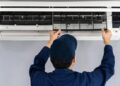
Professional maintenance checks are vital to keep your AC unit in top condition. Technicians can inspect and tune up your system, ensuring all components are working correctly. Schedule annual maintenance to prevent potential breakdowns and ensure optimal performance.
Keeping the Outdoor Condenser Unit Clean
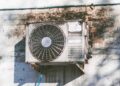
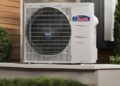
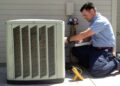
The outdoor condenser unit plays a critical role in the cooling process. Keep it clean and free of debris such as leaves, branches, and dirt. Regularly clear the area around the unit to maintain proper airflow and prevent overheating.
Sealing Air Ducts
Leaky air ducts can lead to energy wastage and reduced cooling efficiency. Seal any gaps or leaks in your air ducts to prevent air from escaping. Properly sealed ducts ensure that cool air reaches its intended destination, improving overall AC performance.
Optimizing AC Efficiency
Adjusting the thermostat settings, utilizing ceiling fans, minimizing heat gain, and shading windows all play a crucial role in improving the overall performance of your AC system.
Adjusting Thermostat Settings
Setting your thermostat to the highest temperature that is still comfortable for you can significantly reduce the workload on your AC. This can help save energy and improve efficiency.
Using Ceiling Fans
Ceiling fans can help circulate the cool air produced by your AC throughout the room, making it feel cooler even at higher temperatures. This allows you to raise the thermostat setting without sacrificing comfort.
Minimizing Heat Gain
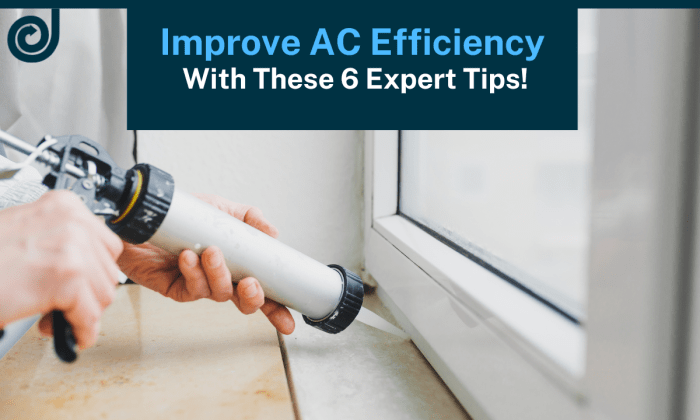
To reduce the workload on your AC, minimize heat gain in your home by keeping blinds and curtains closed during the hottest parts of the day. Additionally, sealing any gaps or leaks in windows and doors can prevent warm air from entering your home.
Shading Windows and Using Curtains
Shading your windows with curtains or blinds can help block out direct sunlight, reducing the heat that enters your home. This can significantly improve the cooling efficiency of your AC system and help maintain a comfortable indoor temperature.
Enhancing Cooling Capacity
Installing a programmable thermostat, upgrading to a high-efficiency AC unit, ensuring proper insulation, and strategically using portable AC units can all contribute to enhancing the cooling capacity of your air conditioning system.
Installing a Programmable Thermostat
Installing a programmable thermostat allows you to set specific temperatures for different times of the day, optimizing energy usage and ensuring that your home remains cool when needed.
Upgrading to a High-Efficiency AC Unit
Upgrading to a high-efficiency AC unit can significantly improve cooling capacity while reducing energy consumption. These units are designed to cool your home more effectively, resulting in better overall performance.
Proper Insulation for Maintaining Consistent Temperature
Proper insulation is crucial for maintaining a consistent indoor temperature. Good insulation helps prevent cool air from escaping and warm air from entering your home, allowing your AC unit to work more efficiently and effectively.
Strategically Using Portable AC Units
Portable AC units can be strategically placed in specific rooms or areas that need extra cooling. By using portable units to supplement your central AC system, you can enhance cooling capacity without overworking the main unit.
Troubleshooting Common AC Issues

Identifying and addressing common AC problems is essential to ensure optimal performance and efficiency. From refrigerant leaks to duct issues, taking the time to troubleshoot these issues can significantly improve your AC's functionality and lifespan.
Refrigerant Leaks
Refrigerant leaks are a common problem that can lead to reduced cooling capacity and increased energy consumption. To address this issue, it is crucial to locate and repair the leak promptly. A professional HVAC technician can help identify the source of the leak and recharge the refrigerant to restore optimal performance.
Duct Leaks
Duct leaks can allow cool air to escape before it reaches your living space, causing your AC system to work harder than necessary. Regularly checking for and repairing duct leaks can improve airflow and overall AC performance. Sealing ducts with mastic or metal tape can help prevent air loss and enhance cooling efficiency.
AC Compressor Issues
If you are experiencing issues with your AC compressor, such as strange noises or inconsistent cooling, troubleshooting these problems is essential for better performance. Checking for proper refrigerant levels, ensuring sufficient airflow around the compressor, and cleaning the coils can help address compressor issues and improve cooling capacity.
Importance of Regular HVAC Maintenance
Regular maintenance is key to preventing major AC problems and ensuring optimal performance. Scheduling annual HVAC inspections, changing air filters regularly, and cleaning the system components can help identify and address potential issues before they escalate. By investing in routine maintenance, you can prolong the lifespan of your AC system and enjoy efficient cooling throughout the year.
Final Wrap-Up
In conclusion, by implementing the tips and strategies Artikeld in this guide, you can ensure that your AC operates at its best without the need for a costly replacement. With a little care and attention, you can enjoy a cool and comfortable indoor environment all year round.
Take charge of your AC's performance today and reap the benefits of a well-maintained cooling system.
FAQ Compilation
How often should I clean my AC filters?
It is recommended to clean or replace AC filters every 1-3 months to ensure optimal airflow and efficiency.
What are some signs that indicate my AC unit needs maintenance?
Some signs include reduced airflow, strange noises, unpleasant odors, and uneven cooling throughout your home.
Can shading windows really improve AC efficiency?
Yes, shading windows with curtains or blinds can help reduce heat gain and lessen the workload on your AC system.
Is it worth upgrading to a high-efficiency AC unit?
Upgrading to a high-efficiency AC unit can lead to significant energy savings and improved cooling performance in the long run.
How can I troubleshoot issues with my AC compressor?
You can start by checking for any obstructions around the compressor and ensuring proper airflow to prevent overheating.