
When it comes to ensuring the longevity of your air conditioning system, there are key steps that can make a significant difference. From regular maintenance to optimizing operation and airflow management, these strategies play a crucial role in enhancing the efficiency and lifespan of your AC unit.
Let's delve into the details of how you can extend the life of your air conditioning system effectively.
As we explore each aspect of maintenance, operation, and upgrades, you'll discover practical tips and insights that can help you make the most out of your air conditioning system.
Regular Maintenance
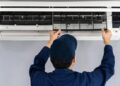
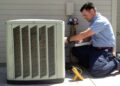
Regular maintenance is crucial for ensuring the longevity and efficiency of your air conditioning system. By performing routine maintenance tasks, you can prevent costly repairs and extend the lifespan of your unit.
Importance of Cleaning Filters, Coils, and Checking Refrigerant Levels
Regularly cleaning and replacing air filters is essential for proper airflow and indoor air quality. Clogged filters can cause the system to work harder, leading to increased energy consumption and potential damage to the unit. Additionally, cleaning the coils helps improve the system's efficiency by allowing for better heat transfer.
Checking refrigerant levels is also important as low levels can indicate a leak or other issues that need to be addressed promptly.
- Change or clean filters every 1-3 months, depending on usage.
- Clean evaporator and condenser coils annually to remove dirt and debris.
- Check refrigerant levels at least once a year to ensure optimal performance.
Finding a Qualified Technician
When it comes to maintenance services, it's essential to hire a qualified technician to handle the job. Here are some tips on finding the right professional for the job:
- Look for certified technicians with experience in servicing your specific air conditioning system model.
- Ask for recommendations from friends, family, or neighbors who have had positive experiences with maintenance services.
- Check online reviews and ratings to gauge the reputation of the technician or service company.
- Inquire about pricing and ensure transparency in the services provided before hiring a technician.
Optimal Operation
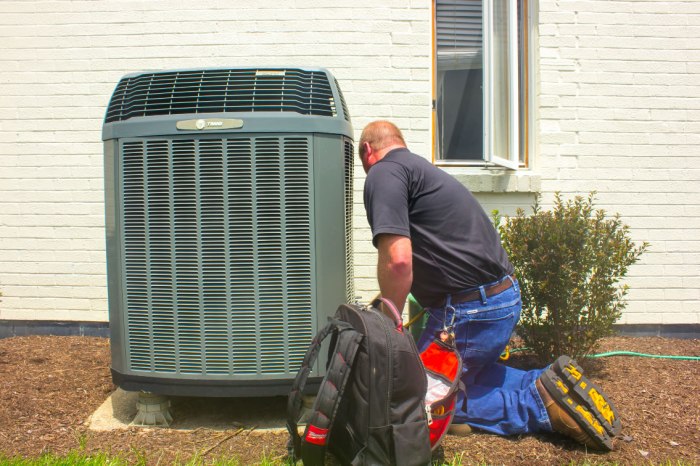
Setting the right temperature, using programmable thermostats, and ensuring proper insulation are key factors in extending the life of your air conditioning system.
Setting the Right Temperature
Maintaining the optimal temperature in your home can significantly reduce the strain on your AC unit. Setting the thermostat to a moderate temperature, around 78 degrees Fahrenheit, can help prevent the system from overworking and wearing out prematurely. This not only extends the lifespan of the AC unit but also helps save energy and reduce utility bills.
Benefits of Programmable Thermostats
Programmable thermostats offer the convenience of automatically adjusting the temperature based on your schedule. By programming specific temperature settings for different times of the day, you can ensure efficient cooling when needed and energy savings when not at home. This smart technology not only improves comfort but also helps in prolonging the life of your air conditioning system by reducing unnecessary runtime.
Importance of Proper Insulation
Proper insulation plays a crucial role in maintaining a consistent indoor temperature and reducing the workload on your air conditioning system. Well-insulated homes prevent cool air from escaping in the summer and warm air from escaping in the winter. By sealing gaps and insulating walls, floors, and ceilings, you can create a more energy-efficient environment that eases the burden on your AC unit.
This not only extends the lifespan of the system but also improves its overall performance.
Airflow Management
Proper airflow is crucial for the efficient operation of your air conditioning system. Without adequate airflow, the system may have to work harder to cool the space, leading to increased energy consumption and potential system breakdowns.
Arranging Furniture and Objects
- Ensure that furniture and objects are not blocking the vents or the air return grille. This obstruction can restrict the airflow and reduce the system's efficiency.
- Arrange furniture in a way that allows for air to circulate freely around the room. Avoid placing large pieces of furniture directly in front of the vents.
- Consider using vent deflectors to direct airflow in the desired direction, especially if furniture arrangement limits the airflow.
Air Duct Cleaning
Air duct cleaning plays a vital role in improving airflow and extending the life of your air conditioning system. Over time, dust, dirt, and debris can accumulate in the ducts, blocking airflow and reducing system efficiency.
- Schedule regular air duct cleaning to remove any build-up of dust and debris. This will not only improve airflow but also enhance indoor air quality.
- Professional duct cleaning services can thoroughly clean the ducts, ensuring that the system operates at optimal efficiency.
- Consider investing in a high-quality air filter to capture dust and particles before they enter the ductwork, reducing the need for frequent cleaning.
Upgrading and Replacement
When it comes to extending the life of your air conditioning system, there may come a time when upgrading or replacing the unit becomes necessary. Recognizing the signs that indicate the need for an upgrade or replacement is crucial to maintaining a comfortable indoor environment and maximizing energy efficiency.
Signs for Upgrade or Replacement
- Increased energy bills despite regular maintenance
- Frequent breakdowns or repairs
- Inconsistent cooling or poor airflow
- Age of the unit (typically over 10-15 years)
- Lack of programmable thermostat or smart features
Benefits of Energy-Efficient Models
Upgrading to a more energy-efficient air conditioning system can provide several long-term benefits, including:
- Reduced energy consumption and lower utility bills
- Improved indoor comfort and air quality
- Environmentally friendly operation with lower carbon footprint
- Potential incentives or rebates for energy-efficient upgrades
Consulting Professionals for Advice
When considering an upgrade or replacement for your AC unit, it is essential to consult with HVAC professionals who can provide expert advice and recommendations based on your specific needs and budget. Professionals can help you choose the right size and efficiency rating for your new system, ensuring optimal performance and energy savings in the long run.
End of Discussion
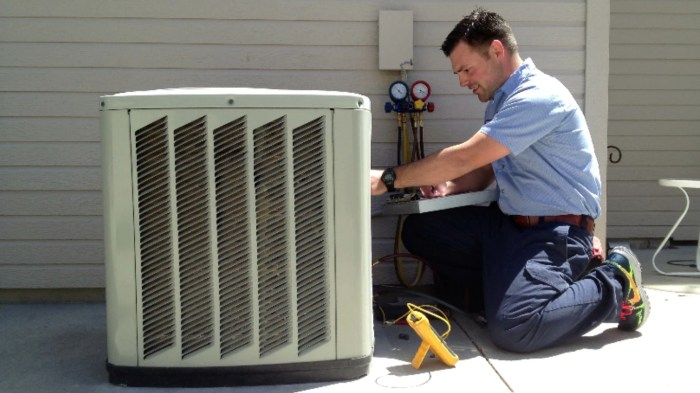
In conclusion, by following the guidelines Artikeld for maintaining, operating, and upgrading your air conditioning system, you can ensure that it operates at peak performance for years to come. Remember, a well-maintained AC unit not only keeps you cool but also saves you money in the long run.
Take charge of your air conditioning system's lifespan today.
Query Resolution
How often should I clean the filters in my air conditioning system?
You should clean or replace the filters every 1-2 months to maintain optimal airflow and efficiency.
What is the recommended temperature setting for extending the life of my AC unit?
Setting your thermostat to around 78 degrees Fahrenheit is ideal for balancing comfort and energy efficiency.
When should I consider upgrading my air conditioning system?
You should consider upgrading when your current system is over 10 years old, experiencing frequent breakdowns, or not cooling your space effectively.