
Exploring the world of air conditioning, this article delves into the most common issues faced by air conditioners and provides practical solutions to tackle them. From air filter problems to refrigerant leaks, get ready to unravel the mysteries behind these common HVAC dilemmas.
Common Air Conditioner Problems
Air conditioners can face various issues that can affect their performance and efficiency. Understanding these common problems can help you identify and resolve them promptly.
1. Dirty Air Filters
One of the most common issues with air conditioners is dirty air filters. Over time, dust, dirt, and other particles can accumulate in the filters, restricting airflow and reducing the unit's efficiency.
Regularly changing or cleaning the air filters can help prevent this problem and ensure optimal airflow.
2. Refrigerant Leaks
Refrigerant leaks can occur in air conditioners, causing the unit to blow warm air instead of cool air. Low refrigerant levels can also put a strain on the system and lead to further damage.
It is essential to repair any refrigerant leaks promptly and recharge the system to maintain proper cooling.
3. Thermostat Issues
Incorrect thermostat settings or a malfunctioning thermostat can result in temperature inconsistencies and inefficient cooling. This can lead to discomfort and higher energy bills.
Ensure that the thermostat is set correctly and consider upgrading to a programmable thermostat for better control and energy savings.
4. Electrical Problems
Issues with the electrical components of an air conditioner, such as wiring problems or capacitor issues, can cause the unit to malfunction or fail to turn on altogether.
Regular maintenance and inspections can help identify and address electrical problems before they escalate and impact the unit's performance.
5. Drainage Problems
Clogged condensate drains can lead to water leakage or moisture buildup around the unit, potentially causing water damage and mold growth. This can also affect the air conditioner's cooling efficiency.
Regularly cleaning and unclogging the condensate drains can prevent drainage issues and ensure proper moisture removal.
Air Filter Problems
Regularly checking and replacing air filters in your air conditioner is crucial for optimal performance and efficiency.
Dirty or clogged air filters can lead to a variety of problems with your air conditioner. Here are the steps to check and replace air filters to ensure your unit runs smoothly:
Importance of Clean Air Filters
Regularly changing your air filters helps maintain good indoor air quality and prevents dust, dirt, and other particles from circulating in your home. Clean air filters also help your air conditioner operate efficiently and prolong its lifespan.
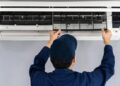
Steps to Check and Replace Air Filters
- Turn off the power to your air conditioner before inspecting the air filter.
- Locate the air filter in your unit (usually near the return air duct).
- Remove the air filter and inspect it for dirt, dust, and debris.
- If the filter is dirty or clogged, replace it with a new one of the same size and type.
- Make sure to follow the manufacturer's recommendations for filter replacement frequency.
Impact of Clogged Air Filters
Clogged air filters restrict airflow, causing your air conditioner to work harder to cool your home. This can lead to increased energy consumption, higher utility bills, and potential damage to the unit over time. Regularly checking and replacing air filters can help prevent these issues and keep your air conditioner running efficiently.
Refrigerant Leaks
Refrigerant leaks in air conditioners can be a common issue that affects the performance and efficiency of the unit. These leaks occur when the refrigerant, which is responsible for cooling the air, escapes from the system. Identifying and addressing refrigerant leaks is crucial to ensure the proper functioning of your air conditioner.
Identifying Refrigerant Leaks
One of the most common signs of a refrigerant leak is reduced cooling capacity. If you notice that your air conditioner is not cooling as effectively as before, it could be due to a refrigerant leak. You may also hear a hissing or bubbling noise coming from the unit, which is a sign of refrigerant escaping.
Additionally, ice buildup on the refrigerant lines or coils is another indicator of a leak.
Dangers of Refrigerant Leaks
- Refrigerant leaks can pose health risks, as exposure to refrigerant fumes can cause respiratory issues, dizziness, and nausea. It is important to address leaks promptly to avoid any health complications.
- Refrigerant leaks also have environmental consequences, as these chemicals can contribute to ozone depletion and global warming. Proper disposal of refrigerant and timely repairs are essential to minimize the environmental impact.
Solutions for Fixing Refrigerant Leaks
Once you have identified a refrigerant leak in your air conditioner, it is important to contact a professional HVAC technician to address the issue. The technician will locate the source of the leak, repair any damaged components, and recharge the system with the appropriate amount of refrigerant.
It is crucial to avoid attempting to fix refrigerant leaks yourself, as it requires specialized knowledge and equipment.
Thermostat Issues
Thermostat problems can significantly impact the cooling of a room. If the thermostat is not functioning properly, it may not accurately sense the temperature in the room, leading to the air conditioner not turning on or off at the right times.
This can result in inadequate cooling or excessive energy consumption.
Troubleshooting Steps for Common Thermostat Issues
- Check the thermostat settings to ensure it is set to cool mode and the temperature is set lower than the current room temperature.
- Replace the batteries in the thermostat to ensure it has enough power to function correctly.
- Clean any dust or debris around the thermostat that could be affecting its operation.
- Verify that the thermostat is level on the wall, as an uneven position can impact its accuracy.
The Importance of Calibrating the Thermostat
Calibrating the thermostat is crucial for optimal performance. Over time, thermostats can become inaccurate, leading to incorrect temperature readings. By calibrating the thermostat, you can ensure that it accurately senses the room temperature and properly regulates the cooling system, resulting in better comfort and energy efficiency.
Electrical Control Failure
Electrical control failure in an air conditioner can lead to a variety of issues that disrupt the cooling process and overall functionality of the unit. It is essential to recognize the signs of electrical control failure early on to prevent further damage.
Signs of Electrical Control Failure
Some common signs of electrical control failure in an air conditioner include:
- Intermittent cooling or complete loss of cooling
- Frequent system cycling
- Unresponsive thermostat
- Strange noises coming from the unit
Causes of Electrical Control Issues
Electrical control problems in an air conditioner can be caused by various factors, such as:
- Corrosion on terminals and wires
- Wiring issues or loose connections
- Overloading of the electrical circuit
- Short circuits
Preventing Electrical Control Failures and Maintenance Tips
To prevent electrical control failures and ensure the smooth operation of your air conditioner, consider the following maintenance tips:
- Regularly inspect and clean the electrical components of the unit
- Tighten any loose connections and replace damaged wires
- Ensure proper insulation of electrical wires to prevent short circuits
- Have a professional technician perform routine maintenance and inspections
Condenser Problems
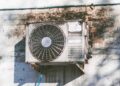
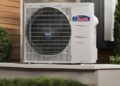
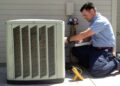
The condenser plays a crucial role in the air conditioning system by releasing heat absorbed from the indoor air outside. It helps to cool down the refrigerant and convert it back into a liquid state for recirculation.
Common Condenser Problems
- Dirty Condenser Coils: Accumulation of dirt and debris on the condenser coils can reduce the unit's efficiency and cooling capacity.
- Condenser Fan Issues: Malfunctioning condenser fan can lead to overheating and cause the system to shut down unexpectedly.
- Blockages: Obstructions around the condenser unit can restrict airflow and hinder proper heat dissipation.
- Refrigerant Leaks: Any leaks in the refrigerant lines connected to the condenser can affect the cooling process.
Maintenance Tips for Condenser
- Regular Cleaning: Clean the condenser coils and surrounding area at least once a year to prevent dirt buildup.
- Trim Vegetation: Ensure there is no vegetation or debris blocking the airflow around the condenser unit.
- Check for Leaks: Inspect the refrigerant lines for any leaks or damage and get them repaired promptly.
- Professional Maintenance: Schedule annual maintenance by a certified technician to ensure the condenser is in optimal condition.
Drainage Issues
Proper drainage is crucial for air conditioners to function efficiently. When the air conditioner operates, it removes moisture from the air, which needs to be drained away from the unit. If the drainage system is not working correctly, it can lead to a range of problems that affect the performance and lifespan of the air conditioner.
Clogged Drain Lines
Clogged drain lines are a common issue that can result from the accumulation of dirt, dust, mold, and algae over time. When the drain lines are blocked, water cannot flow freely, causing it to back up into the system. This can lead to water leaks, reduced cooling capacity, and even water damage to the surrounding area.
- Regular cleaning: To prevent clogs, it is essential to clean the drain lines regularly. This can be done by flushing the lines with a mixture of water and vinegar to dissolve any buildup.
- Use a wet/dry vacuum: In case of stubborn clogs, a wet/dry vacuum can be used to suction out the blockage from the drain lines.
- Install a drain line treatment: Adding a drain line treatment can help prevent the growth of mold and algae, reducing the chances of clogs occurring.
Final Thoughts
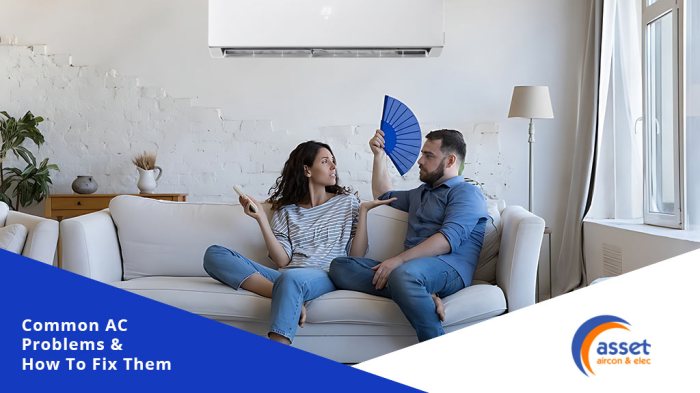
As we conclude our journey through the realm of air conditioner problems, remember that proper maintenance and timely solutions can keep your AC running smoothly. Stay cool and informed as you navigate the intricacies of HVAC systems!
Answers to Common Questions
How often should I replace my air filters?
It is recommended to replace air filters every 1-3 months, depending on usage and filter type.
Can I fix refrigerant leaks on my own?
Refrigerant leaks should be fixed by a professional HVAC technician to prevent health and environmental risks.
Why is calibrating the thermostat important?
Calibrating the thermostat ensures accurate temperature readings and efficient cooling in your space.
How can I prevent electrical control failures?
Regular maintenance of electrical components and timely repairs can help prevent electrical control failures.
What can cause drainage issues in air conditioners?
Clogged drain lines due to debris or algae buildup can cause drainage issues in air conditioners.