
Best Energy-Efficient Air Conditioners for 2025 sets the stage for this enthralling narrative, offering readers a glimpse into a story that is rich in detail and brimming with originality from the outset. From the importance of energy-efficient models to the environmental impact, this guide covers everything you need to know about the best air conditioners for 2025.
Overview of Energy-Efficient Air Conditioners
Energy-efficient air conditioners play a crucial role in reducing energy consumption and minimizing environmental impact. These models are designed to operate more efficiently, leading to lower electricity bills and a smaller carbon footprint.
Key Benefits of Energy-Efficient Models
- Lower Energy Costs: Energy-efficient air conditioners consume less electricity, resulting in reduced energy bills for homeowners and businesses.
- Environmental Sustainability: By using less energy, these models help to decrease greenhouse gas emissions and combat climate change.
- Improved Performance: Energy-efficient air conditioners often come with advanced features that enhance cooling efficiency and overall performance.
- Longer Lifespan: These models are built with high-quality components, leading to a longer lifespan compared to traditional air conditioners.
Measuring Energy Efficiency in Air Conditioners
Energy efficiency in air conditioners is measured by the Seasonal Energy Efficiency Ratio (SEER) rating. The SEER rating indicates how efficiently an air conditioner can cool a space over a typical cooling season. The higher the SEER rating, the more energy-efficient the unit is.
Trends in Air Conditioning Technology for 2025
The year 2025 is expected to bring significant advancements in air conditioning technology, particularly in the realm of energy efficiency. Manufacturers are constantly innovating to develop systems that are not only effective in cooling but also environmentally friendly and cost-efficient.
Latest Technological Advancements
In 2025, we can expect to see the rise of variable refrigerant flow (VRF) systems, which offer more precise control over cooling levels in different zones of a building. These systems can adjust the refrigerant flow based on the specific cooling needs of each area, leading to greater energy savings and improved comfort for occupants.Another key advancement is the integration of advanced sensors and controls in air conditioners.
These sensors can monitor temperature, humidity, occupancy, and air quality, allowing the system to automatically adjust settings for optimal performance. By optimizing energy usage based on real-time data, these smart air conditioners can significantly reduce energy waste.
Comparison with Traditional Systems
When comparing traditional air conditioning systems with newer energy-efficient models, the differences are clear. Traditional systems often operate at a fixed capacity, leading to energy wastage during times of low cooling demand. In contrast, energy-efficient models utilize advanced technologies like inverter compressors and variable-speed motors to adjust output according to real-time needs, resulting in energy savings of up to 30% or more.Moreover, newer energy-efficient air conditioners are designed with enhanced insulation and improved airflow management, reducing energy losses and improving overall performance.
These systems are also built with eco-friendly refrigerants that have lower environmental impact compared to older refrigerants like R-22.
Integration of Smart Technology
Smart technology is becoming increasingly prevalent in energy-efficient air conditioners, allowing for remote monitoring and control via smartphones or other devices. Users can adjust temperature settings, create schedules, and receive energy consumption reports, all from the convenience of their fingertips.
Additionally, smart air conditioners can interact with other smart devices in the home, enabling seamless integration for enhanced comfort and energy efficiency.
Top Features to Look for in Energy-Efficient Air Conditioners
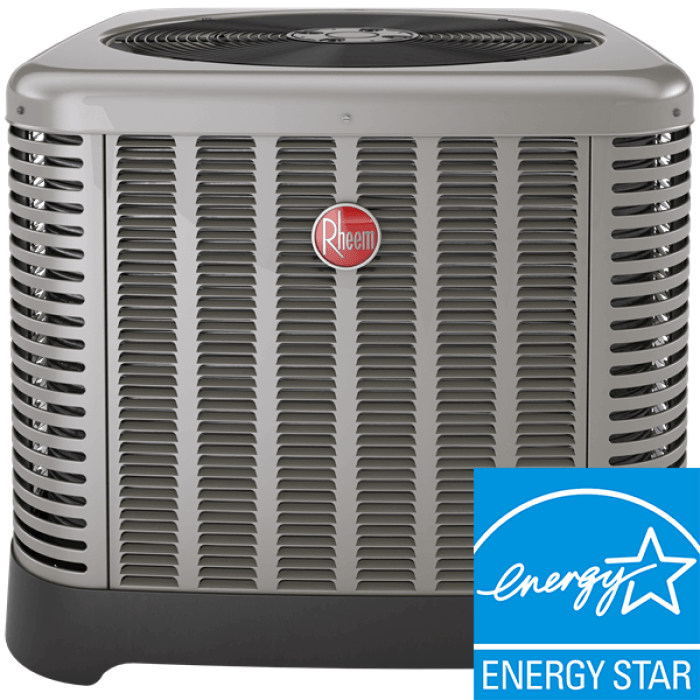
When choosing an energy-efficient air conditioner, there are several key features to consider that can significantly impact its efficiency and performance.
SEER Ratings and Their Significance
SEER (Seasonal Energy Efficiency Ratio) ratings are an important factor to consider when evaluating the energy efficiency of an air conditioner. The SEER rating indicates how efficiently the unit can cool a space over an entire cooling season. Higher SEER ratings signify greater energy efficiency, meaning the air conditioner consumes less energy to provide the same cooling output.
Look for models with higher SEER ratings to ensure optimal energy savings and efficiency.
Impact of Inverter Technology
Inverter technology is another crucial feature to look for in energy-efficient air conditioners. Traditional air conditioners operate at a fixed speed, leading to frequent on/off cycles and energy wastage. Inverter technology allows the compressor to adjust its speed based on the cooling requirements, resulting in more precise temperature control and significant energy savings.
Air conditioners with inverter technology are quieter, more energy-efficient, and provide better comfort compared to non-inverter models.
Environmental Impact of Energy-Efficient Air Conditioners
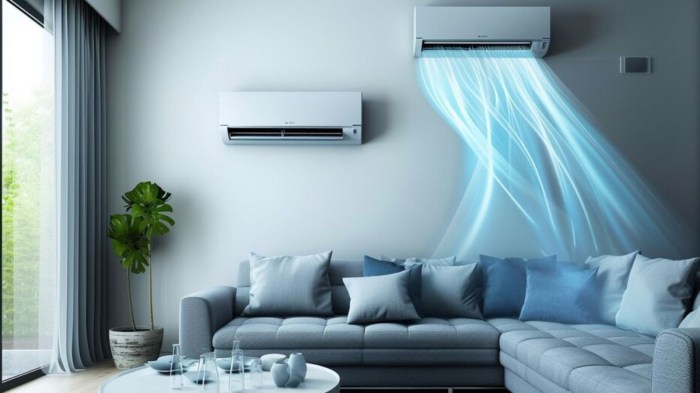
Energy-efficient air conditioners play a crucial role in reducing carbon footprint and promoting sustainability. These systems are designed to operate more efficiently, consuming less energy and reducing overall environmental impact compared to traditional models.
Use of Eco-Friendly Refrigerants
Modern energy-efficient air conditioners utilize eco-friendly refrigerants that have lower global warming potential (GWP) compared to traditional refrigerants such as R-22. By using these environmentally-friendly refrigerants, these systems help reduce greenhouse gas emissions and contribute to a healthier planet.
Alignment with Sustainability Goals
Energy-efficient air conditioners are in line with sustainability goals for 2025 and beyond. As governments and organizations worldwide aim to reduce carbon emissions and promote eco-friendly practices, the adoption of energy-efficient HVAC systems becomes increasingly important. These models not only help in conserving energy but also contribute to a more sustainable future for generations to come.
Closure
In conclusion, Best Energy-Efficient Air Conditioners for 2025 not only promise to keep you cool and comfortable but also contribute to a greener future. With technological advancements and a focus on sustainability, these air conditioners are paving the way for a more energy-efficient tomorrow.
Stay informed and make the right choice for a cooler, eco-friendly home.
FAQ Guide
What is the significance of SEER ratings in energy efficiency?
SEER ratings, or Seasonal Energy Efficiency Ratio, indicate the efficiency of an air conditioner. The higher the SEER rating, the more energy-efficient the unit is, leading to potential cost savings on energy bills.
How do energy-efficient air conditioners contribute to reducing carbon footprint?
Energy-efficient air conditioners consume less electricity, resulting in lower carbon emissions from power plants. By using less energy, these units help mitigate environmental impact.
Are eco-friendly refrigerants used in modern air conditioning systems?
Yes, many modern energy-efficient air conditioners use eco-friendly refrigerants that have a lower impact on the environment compared to traditional refrigerants like R-22.